Functional Breathwork
Your breath is always with you—a constant connection between your body, mind, and internal experience. Learning to understand and work with it can change how you approach movement, stress, rest, and everyday life. Whether you're seeking greater awareness, practical tools, or a deeper connection with yourself, functional breathwork offers a place to begin.
Private Sessions
Your breath is personal, and your breathwork practice should be, too.
Individual sessions begin with a conversation about your goals, experiences, and what you'd like to explore. Through gentle observation and guided exercises, we'll look at your natural breathing patterns and introduce techniques suited to your needs.
My approach is trauma-aware, collaborative, and grounded in choice. You're always encouraged to notice your experience, communicate your needs, and adjust or pause a practice at any time.
Together, we'll develop an understanding of which techniques work for you, when to use them, and how to integrate them into everyday life.
Breathwork Workshops
Explore the science and practice of conscious breathing in a supportive group environment.
These one-day, in-studio workshops combine accessible education, guided breathing practices, and opportunities for personal exploration. Depending on the workshop theme, we may explore breathing mechanics, nervous system awareness, pranayama, or practical techniques for everyday well-being.
Workshops are designed to offer both a deeper understanding of the breath and useful tools you can take into your daily life.
The Breath Is Your Gateway Into the Body
Breathing is something we do every moment, yet few of us have been taught how it works—or how deeply it connects to our physical, mental, and emotional experiences.
Functional breathwork brings together modern understanding of breathing physiology, nervous system function, and movement with the wisdom of ancient breath practices.
Through personalized education and guided practice, you'll learn to recognize your breathing patterns, understand how they reflect and influence your internal state, and develop practical tools to support relaxation, focus, energy, and resilience in everyday life.
Understanding Your Breath
The breath offers a direct, accessible way to observe what is happening within us and begin influencing how we respond.
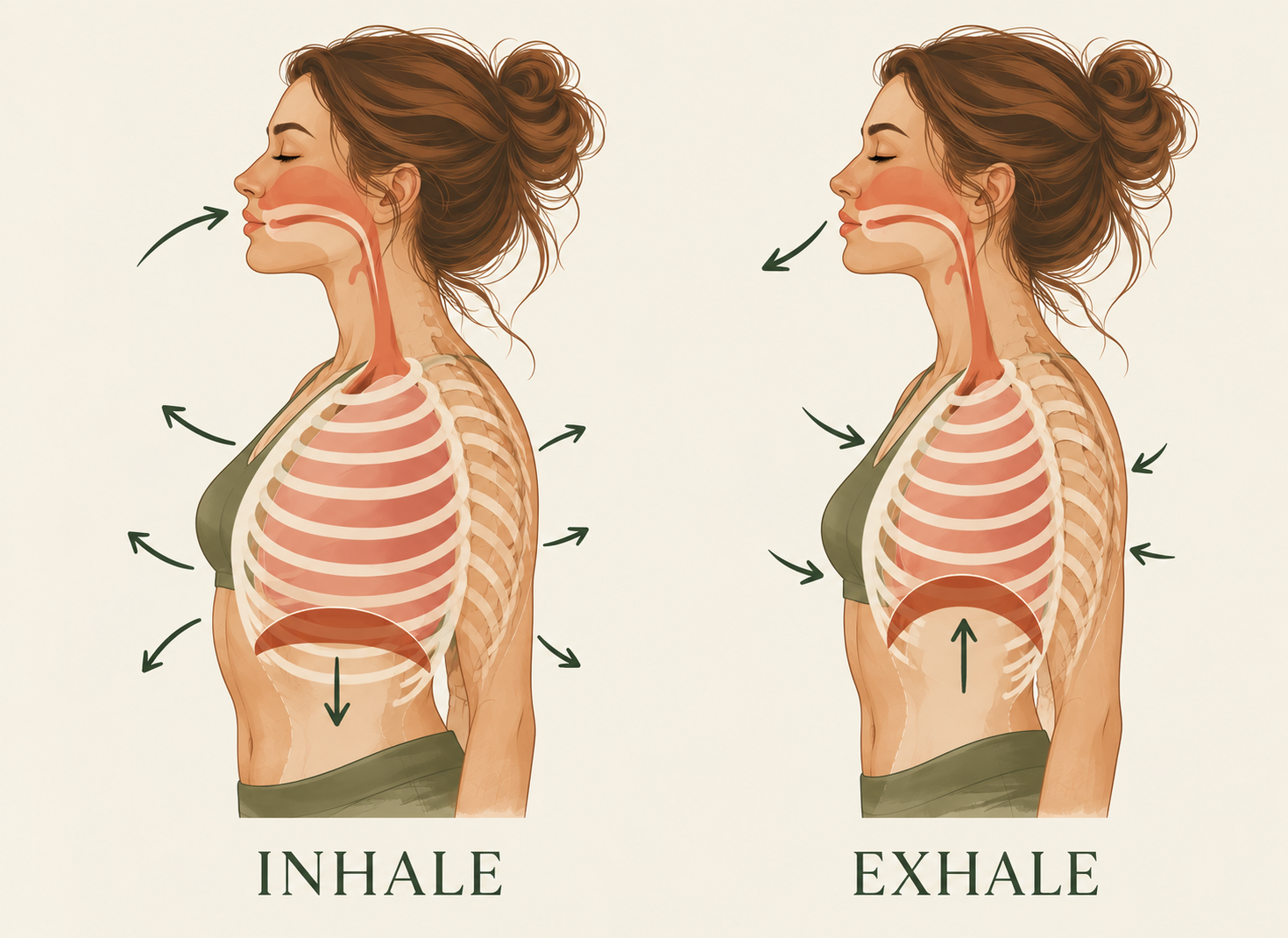
Breathing involves much more than moving air in and out of the lungs. Your diaphragm, rib cage, abdominal muscles, and pelvic floor work together to support efficient breathing and coordinated movement. These relationships are foundational to the way I approach functional movement, core health, and physical well-being.
Breathing is also closely connected to the nervous system. Changes in its rate, depth, and rhythm are often among the earliest physical signs we can recognize when our internal state begins to shift. By learning to observe these changes, we can develop greater awareness of stress, activation, and relaxation—and begin responding with intention.
Functional breathwork starts with curiosity rather than correction. By exploring your natural breathing patterns, we can identify opportunities for greater efficiency, coordination, and adaptability.
The goal isn't to breathe perfectly. It's to understand your breath, recognize what it's communicating, and learn how to work with it.
Breathwork for Everyday Life
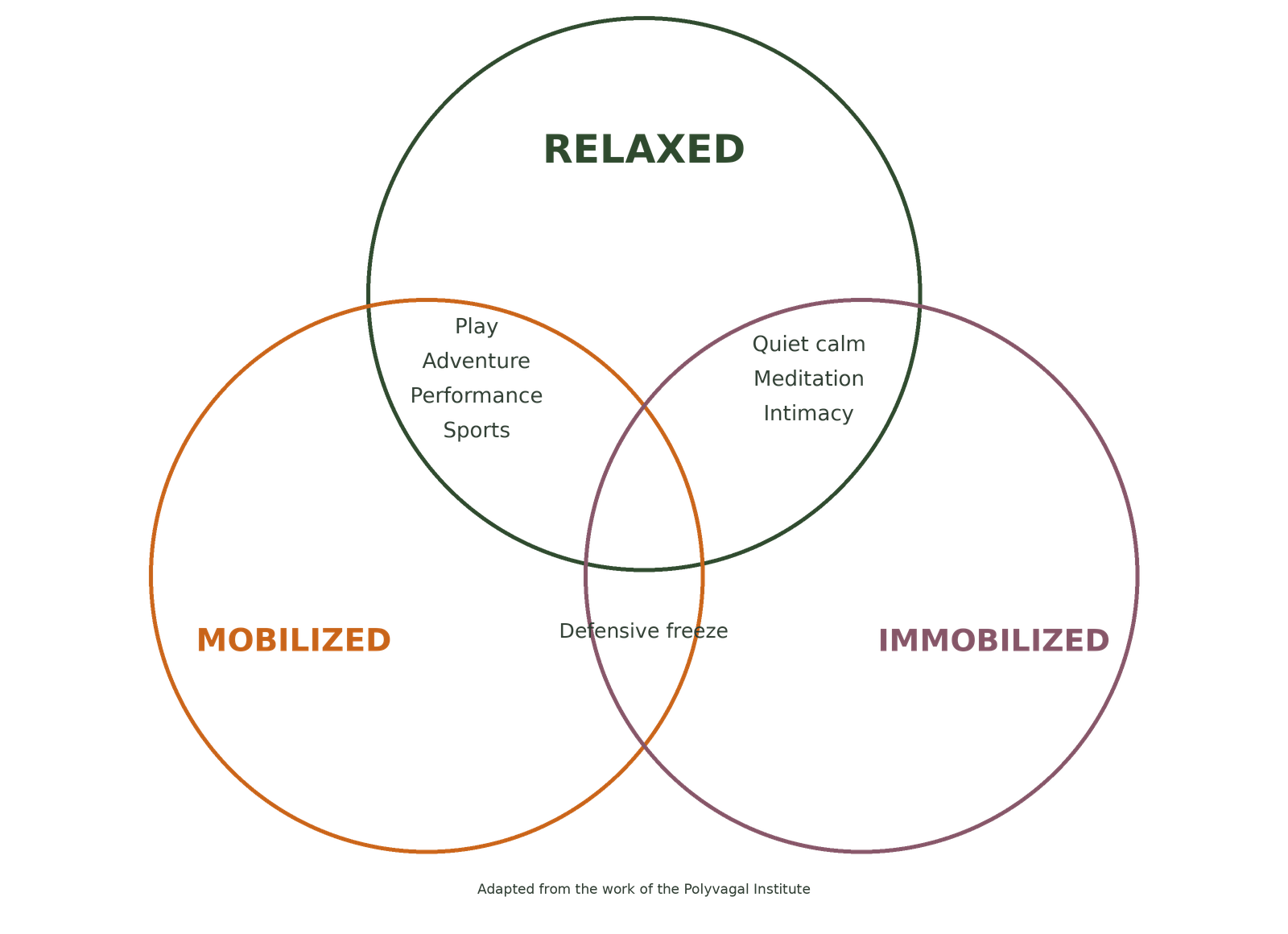
Your breath responds continuously to the demands of everyday life. Learning to recognize those changes creates opportunities to respond with greater awareness and intention.
Sometimes we need to slow down and settle. Other times we need energy, focus, or the ability to remain present through a challenging experience.
Functional breathwork offers practical techniques for working with these different states, helping you develop flexibility rather than relying on a single breathing pattern for every situation.
Where Science Meets Ancient Wisdom
For thousands of years, yogic traditions have recognized the breath as a powerful connection between body, mind, and vital energy.
In yoga, pranayama is the practice of consciously working with the breath and prana, the vital life force described in yogic philosophy. These practices are traditionally understood to influence the movement of energy, cultivate awareness, and prepare the mind for meditation.
Modern physiology offers another perspective, exploring how breathing patterns interact with the nervous system, influence carbon dioxide balance, and affect our experience of physical and emotional states.
Although these traditions use different frameworks to understand the breath, both recognize the significance of conscious breathing in shaping our experience.
My approach draws from both perspectives, honoring the wisdom of traditional practices while applying contemporary knowledge of breathing mechanics, physiology, and nervous system regulation.